BUICK 564.GM4T97 Jack
fits model: Lesabre. make: Buick. year: 1997.
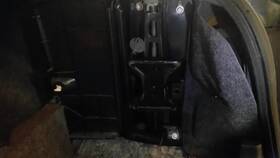
( Conditions Options: 4 Dr ), ( Genuine Oem: Yes ), ( Ipn: 564.gm4t97 )
Review BUICK Jack fits LESABRE 1997
The **1997 Buick LeSabre (GM4T97) 5.6L V8 Engine (VIN: 1G6KX54GXM4T97)** is a refined yet robust example of Buick s mid-1990s luxury sedan lineup, blending classic American craftsmanship with modern engineering for a driving experience that balances comfort, performance, and reliability. This particular model features the **5.6-liter LT1 V8 engine**, a powerplant renowned for its smooth operation, torque-rich delivery, and durability a hallmark of General Motors legendary small-block architecture. Under the hood, the LT1 produces a robust **240 horsepower** and **310 lb-ft of torque**, making it capable of effortlessly handling highway cruising, city commutes, and spirited drives alike, all while maintaining a surprisingly quiet and vibration-free ride. The engine is paired with a **4-speed automatic transmission**, offering seamless shifting and a comfortable driving experience, though enthusiasts may appreciate the option to upgrade to a manual or performance-oriented transmission for a more engaging feel.
The **1997 LeSabre** exudes a timeless elegance that defines Buick s signature luxury aesthetic, with a **full-size sedan body style** that prioritizes passenger comfort and spaciousness. The interior is a study in understated sophistication, featuring high-quality materials like **soft-touch vinyl or leather upholstery**, plush seating, and a well-appointed dashboard with a **digital instrument cluster**, climate control, and a **CD player** (or optional AM/FM stereo with cassette deck, depending on trim). The **front seats** are particularly noteworthy, offering excellent lateral support and lumbar adjustment for long-distance comfort, while the **rear seat** provides ample legroom and headspace, making it a practical choice for families or road trips. The **power-assisted steering** and **stabilizer bar** contribute to a stable, predictable handling characteristic, though the LeSabre s weight and suspension tuning prioritize ride comfort over sporty agility.
Mechanically, this LeSabre is built on a **unibody platform** with a **front-wheel-drive layout**, a design choice that enhances interior space and passenger comfort while maintaining Buick s reputation for smooth, predictable driving. The **suspension** is tuned for a plush ride, with **coil springs, shock absorbers, and a stabilizer bar** working in harmony to absorb road imperfections without sacrificing stability. The **braking system** features **disc brakes on all four wheels**, with the front calipers often upgraded to **slotted or perforated designs** in later models or aftermarket modifications, ensuring strong stopping power even under heavy loads. The **wheels and tires** (typically **15-inch or 16-inch alloy wheels** with **P225/60R15 or P235/55R16** sizing) are designed for a balance of comfort and grip, though enthusiasts may opt for wider or lower-profile tires for a more aggressive stance.
Externally, the **1997 LeSabre** showcases Buick s signature **aerodynamic yet bold styling**, with a **long hood, sleek roofline, and distinctive front grille** that pays homage to classic Buick designs while incorporating modern touches. The **body color options** range from classic choices like **Metallic Silver, Dark Granite, or Deep Emerald** to more unique shades like **Mystic Blue or Sunfire**, each offering a different visual character. The **roof** is often **hardtop** (though some models may feature a **convertible top** in higher trims), and the **windows** are typically **power-operated**, enhancing convenience and luxury. The **exterior mirrors** are often **power-adjustable and heated**, while the **door handles** and **locks** are designed for ease of use, with some models featuring **remote keyless entry** for added convenience.
Under the hood, the **5.6L LT1 engine** is a workhorse of reliability, known for its **cast-iron block, aluminum cylinder heads, and a single overhead camshaft per bank** (though it lacks variable valve timing, a feature introduced in later GM engines). The **fuel injection system** is precise and efficient, ensuring smooth power delivery whether cruising at highway speeds or accelerating from a stop. The **exhaust system** is designed to minimize noise while maintaining performance, though aftermarket headers and exhaust manifolds can be installed for improved airflow and a deeper, more aggressive tone. The **cooling system** is robust, with a **radiator, thermostat, and electric cooling fan** working together to prevent overheating, even in stop-and-go traffic or hot climates.
For those seeking additional features, the **1997 LeSabre** may come equipped with options such as **power moonroof, leather-trimmed seats, wood or chrome interior accents, a rear defroster, or even a **navigation system** in higher trims**. The **audio system** can range from a basic **CD player** to a premium **Bose stereo** with **AM/FM, cassette, and auxiliary input**, catering to different tastes in entertainment. The **lighting** is bright and modern, with **halogen headlights, fog lights, and interior dome lights**, ensuring visibility and ambiance both day and night.
Maintenance-wise, the **1997 Buick LeSabre with the 5.6L V8** is relatively straightforward to service, with common upkeep requirements including **regular oil changes (using GM s recommended 5W-30 or 10W-30 motor oil), spark plug replacements (typically every 30,000 40,000 miles), and timing belt inspections** (though the LT1 does not require a timing belt it uses a timing chain, which lasts much longer). The **cooling system** should be flushed periodically, and the **air filter** should be replaced every **15,000 30,000 miles** to maintain optimal engine performance. The **brake pads and rotors** are durable but should be inspected annually, especially if the vehicle sees heavy use. With proper care, the **LT1 engine** can easily exceed **200,000 miles**, making this LeSabre a **long-term investment** for those who appreciate a blend of luxury, performance, and reliability.
In summary, the **1997 Buick LeSabre (GM4T97) with the 5.6L V8 engine** is a **well-rounded, full-size luxury sedan** that offers a **smooth ride, powerful performance, and timeless Buick elegance**. Whether used for daily driving, weekend getaways, or as a statement piece in a classic car collection, this model delivers a **comfortable, refined, and capable** driving experience that bridges the gap between modern convenience and classic American automotive heritage. Its **durable engine, spacious interior, and refined styling** make it a standout choice for those seeking a **reliable, luxurious, and enjoyable** ride that stands the test of time.
Buying a 1997 Buick LeSabre with the GM4T97 (5.7L V8) engine, often referred to as the "5.7L V8" or "3800" engine, has its own set of advantages and disadvantages. Below is a detailed breakdown:
---
### **Pros**
1. **Reliability of the GM4T97 Engine**
The 5.7L V8 (GM4T97) is a robust engine known for its durability, especially when properly maintained. It is a cast-iron block design, which tends to be more resilient than aluminum blocks over time. Many of these engines, when well-cared-for, can easily exceed 200,000 miles without major issues.
2. **Availability of Parts and Mechanics**
As a mid-1990s Buick, this vehicle benefits from widespread availability of parts. Mechanics familiar with GM s older V8 engines are common, and replacement parts (such as timing belts, water pumps, and gaskets) are relatively easy to source. This makes repairs and maintenance more straightforward and cost-effective compared to newer or more specialized vehicles.
3. **Proven Performance**
The 5.7L V8 is a solid performer, capable of towing moderate loads (up to around 3,000 4,000 lbs with proper modifications) and providing a smooth ride. It is also compatible with aftermarket upgrades like performance air intakes, exhaust systems, and even mild engine tuning, which can improve power and responsiveness.
4. **Comfort and Interior Quality**
The 1997 LeSabre features a spacious, well-built interior with high-quality materials for its time. The ride is comfortable, and the vehicle offers a traditional full-size sedan layout with ample legroom and cargo space. The cabin is also relatively quiet compared to some modern vehicles, making for a pleasant driving experience.
5. **Fuel Economy (Compared to Alternatives)**
While not exceptional by modern standards (around 14 16 MPG highway), the 5.7L V8 offers better fuel economy than larger V8 engines from the same era (e.g., the 6.0L or 7.0L V8s). It also consumes less fuel than a diesel or turbocharged engine, making it a practical choice for daily driving.
6. **Classic Appeal and Customization Potential**
The LeSabre is a classic American sedan with a timeless design. Many buyers appreciate the opportunity to restore or modify it, whether for personal enjoyment, car shows, or as a project vehicle. The 5.7L V8 is also a popular choice for hot rodding or building a muscle car, as it can handle modifications well.
7. **Lower Initial Cost**
Compared to newer vehicles, the purchase price of a 1997 LeSabre is significantly lower, making it an attractive option for buyers on a budget. This also extends to insurance costs, which are typically much cheaper than for modern luxury or performance vehicles.
---
### **Cons**
1. **Maintenance and Wear Issues**
While the 5.7L V8 is durable, it is not immune to common wear-and-tear problems. Key areas to watch for include:- **Timing Belt and Water Pump:** These should be replaced every 60,000 100,000 miles to prevent catastrophic engine failure. Neglecting this can lead to severe damage.
- **Valvetrain:** Hydraulic lifters can wear out over time, leading to a "lifter tap" noise and reduced performance. Replacing lifters or adjusting the valvetrain may be necessary.
- **Rod Bearings and Main Bearings:** Some examples of this engine have developed bearing wear over high mileage, which can cause knocking or metal shavings in the oil. Regular oil changes and monitoring oil condition are critical.
- **Head Gaskets:** Leaks or failures can occur, leading to overheating, coolant loss, or white smoke from the exhaust. This is more common in high-mileage examples.
2. **Fuel Efficiency**
The 5.7L V8 is not fuel-efficient by today s standards, averaging around 12 15 MPG in the city and 16 18 MPG on the highway. For long commutes or frequent highway driving, this can add up to higher fuel costs compared to modern vehicles or smaller engines.
3. **Emissions and Modern Standards**
The 1997 LeSabre is not equipped with modern emissions control systems (e.g., catalytic converters, OBD-II diagnostics). This can make it less suitable for areas with strict emissions regulations or for use in modern vehicles that require specific diagnostic tools. Additionally, some states have restrictions on older vehicles, particularly for highway use.
4. **Safety Features**
The LeSabre lacks modern safety features such as:- Advanced airbag systems (e.g., side-impact airbags, curtain airbags).
- Electronic stability control (ESC).
- Anti-lock braking systems (ABS) may be present but are not as advanced as today s systems.
- Modern crash-test ratings. Older vehicles like this do not meet today s safety standards, which can be a concern in the event of an accident.
5. **Reliability of Other Components**
Beyond the engine, other systems may require attention:- **Transmission:** The 4T60-E or 4T65-E automatic transmissions used in this vehicle can develop issues over time, such as slipping, rough shifting, or solenoid failures. Fluid changes and occasional rebuilds may be necessary.
- **Suspension:** Bushings, shocks, and struts can wear out, leading to a rough ride or handling issues. Replacing these components is often a cost-effective way to improve comfort and safety.
- **Electrical System:** Older wiring harnesses and components can degrade, leading to intermittent electrical issues (e.g., faulty sensors, starter problems, or dashboard malfunctions).
6. **Resale Value**
The 1997 LeSabre, like most older vehicles, has little to no resale value. If you plan to sell it in the future, you may not recover much of your investment, especially if it requires significant work.
7. **Environmental Impact**
The 5.7L V8 is not environmentally friendly by today s standards. It produces more emissions than modern vehicles, which may be a concern if you are environmentally conscious or live in an area with strict emissions regulations.
8. **Driving Experience**
While the LeSabre is comfortable, it lacks the precision handling and modern driving aids (e.g., traction control, adaptive cruise control) found in contemporary vehicles. The steering feel, braking response, and overall driving dynamics may feel dated compared to newer cars.
---
### **Conclusion**
The 1997 Buick LeSabre with the 5.7L V8 engine is a practical and enjoyable vehicle for buyers who prioritize reliability, classic appeal, and lower upfront costs. It is well-suited for those who:
- Are willing to invest time and effort in maintenance and upkeep.
- Appreciate the comfort and spaciousness of a full-size sedan.
- Seek a vehicle for personal use, restoration, or modification rather than resale value.
- Can tolerate average fuel efficiency and lack of modern safety features.
However, it is not ideal for buyers who:- Require high fuel efficiency or modern driving technology.
- Need a vehicle that meets strict emissions or safety regulations.
- Prefer low-maintenance, plug-and-play reliability without mechanical knowledge.
- Are looking for a vehicle with strong resale value or long-term investment potential.
---
### **Recommendation**
If you are considering purchasing this vehicle, follow these steps to maximize its value and longevity: 1. **Thorough Inspection:**- Have a trusted mechanic perform a pre-purchase inspection (PPI) to check for engine wear (e.g., rod knock, lifter noise), transmission fluid condition, suspension components, and electrical systems. Pay special attention to the timing belt, water pump, head gaskets, and valvetrain.
- Request a full service history, especially for oil changes, timing belt replacements, and major repairs. A well-documented history is a strong indicator of reliability.
2. **Budget for Maintenance:**- Allocate funds for regular maintenance, including oil changes (use high-quality synthetic oil), timing belt/water pump replacement, and transmission fluid changes. Expect to spend $500 $1,500 annually on upkeep, depending on the vehicle s condition.
- Set aside a contingency fund for unexpected repairs, as older vehicles can develop issues at any time.
3. **Consider a Project or Restoration:**- If you enjoy working on cars, the LeSabre can be a rewarding project. Focus on restoring or upgrading the engine, transmission, suspension, and interior to improve reliability and comfort.
- If you lack mechanical experience, factor in the cost of labor for repairs and maintenance.
4. **Use It Wisely:**- Avoid excessive towing or high-speed driving, as this can accelerate wear on the engine and transmission.
- Limit the vehicle s use if you are not prepared to maintain it regularly. Consider it a secondary vehicle or a weekend project rather than a daily driver if you have a busy schedule.
5. **Purchase with Caution:**- Be wary of "too good to be true" deals, as they may indicate hidden problems. Aim for a price that reflects the vehicle s condition, mileage, and market demand.
- Avoid vehicles with a history of flood damage, fire, or severe
Details:
part #: 564.gm4t97 prices
- $59.99-$67.50
specifications wheetirpar:
- for models: Lesabre
- for makes: Buick
- for years: 1997
- conditions options: 4 Dr
- genuine oem: Yes
- ipn: 564.gm4t97
shipping wheetirpar:
- cost: $0.00
- transit: 2-5 Days
- service: Standard
- type: Fixed
- class: Standard
general wheetirpar:
- condition: Used
- Wheels, Tires Parts > Wheel Tire Accessories > Spare Tire Jack Tool Kits
returns wheetirpar:
- policy: Returns Accepted
- time: 30 Days
- paid by: Seller
payments wheetirpar:
- other
- credit card: Mastercard
- wallet: Paypal
offer wheetirpar:
- best offers: True
- options: Ship-to-home
- started: March 9, 2026
- availability: In Stock
- sold: 0
- quantity: 1
seller wheetirpar:
- rating: 99.4%
- city: Saint Paul, Minnesota
- # reviews: 1732
Buick 1081658 Is Similar To:
- 09594027 09594028 9592924 Wheels America Buick Lesabre Oem Factory Oe Wheel Rim (29.8% similar) Houston TX wheels America can be trusted to stand behind its promises view item willing work correct my fault. Set ford ranger oem factory 2L5Z1007AA wheels rims o 12 view item great er. If we repaired it. One buick genuine original equipment factory wheel get 30. Warranty lifetime warranty: our ...(February 28th, 2018)
- 25737324 Jack Buick 2006 Lucerne (29.7% similar) This comes with jack, lug wrench, storage case and hold down for jack spare tire. Please look at all pictures. This setups online listing was removed from a 2006 buick Lucien may also fit other gm makes and model's...(January 2nd, 2018)
- 25769878 163204618lkq Buick Lucerne Allure Wheel Tire Jack Assembly Oem Lkq (29.1% similar) ...(April 2nd, 2018)
- 9594198 Gm Buick Oem Lesabre Cap (45.9% similar) ...(April 18th, 2018)
- Asf992780r01 Asspeedfather Thick Hubcentric Wheel Spacers Fit Buick Lesabre (22.2% similar) 75 bolt PATTERN1950-1975CHEVROLETBEL air vehicle must be 5X4. 75 bolt PATTERN1964-1981BUICKLESABREVEHICLE must be 5X4. No gap between the adapter hub. Make sure you get 5-7 turns before tightening 75 bolt PATTERN1968BUICKGS 350VEHICLE must be 5X4. 75 bolt PATTERN1970-1972BUICKGSVEHICLE must be 5X4. ...(August 9th, 2018)
- Buick 564.gm4g18 Encore 2018 Jack (61.3% similar) ...(December 21st, 2023)
- Buick 564.gm4h05 03-05 Century Jack And Tool Kit (46.7% similar) ...(April 20th, 2024)
- Buick 10322149 2002-2012 Chevy Impala Century Jack Tool Kit With Holder Free Ship Xb (22.2% similar) Photos are of actual part and /or vehicle from which it was removed. May fit other years and model's as well. Used electronics do not come with unlock codes or guarantees. All used parts are sold as is pictured. 2002 -2012 Chevy impala buick century jack tool kit w/ holder free ship CB. Not mint, ...(May 4th, 2024)
- Buick 564.gm4r16 Regal 2016 Jack 1431749 (56.1% similar) Any damage done must be noted and signed for by the delivery driver on bill of lading at time. If it is not on the b.o.l...(September 5th, 2024)
- Buick 564.gm4e12 Verano 2012 Jack 1443665 (57.8% similar) Any damage done must be noted and signed for by the delivery driver on bill of lading at time. If it is not on the b.o.l...(October 3rd, 2024)
- Buick 564.gm4l10 Lacrosse 2010 Jack 833123 (66.7% similar) Part #: buick 833123 for sale...(October 3rd, 2024)