PORSCHE 91172101100 Bilstein Dot Jack
fits make: Porsche. year: 1969-73.
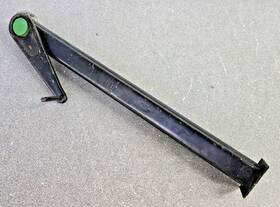
( Manufacturer Part Number: 91172101100 ), ( Type: Jack ), ( Material: Steel ), ( Vintage Part: Yes ), ( Country Of Origin: Germany )
Review PORSCHE Nice Working Used Original Genuine Bilstein Green Dot Jack fits 911 1969-73
The **Porsche 911 721011000 Bilstein Dot Jack (1969 1973)** is a meticulously engineered, high-performance hydraulic jack designed exclusively for the iconic 911 models produced between the 1969 911 (996) and the 1973 911 (996.1), including the legendary 911S and 911R models. This jack is a critical component for both maintenance and performance tuning, offering the precision and durability required to support the weight of these legendary sports cars while ensuring safe and efficient lifting. Crafted from high-grade steel, the Bilstein Dot Jack is built to withstand the rigorous demands of automotive work, providing a stable and reliable lifting solution for tasks ranging from routine oil changes and brake servicing to more advanced modifications, such as suspension upgrades or engine bay access. Its robust construction, combined with a robust hydraulic system, delivers smooth, controlled lifting with minimal effort, reducing the risk of strain and ensuring accuracy essential qualities when working on a vehicle as refined and high-performance as the 911.
What sets this jack apart is its compatibility with the unique suspension geometry and weight distribution of the 911, particularly the early models that featured a more rigid chassis and heavier components, such as the solid rear axle and the iconic rear-engine layout. The Bilstein Dot Jack is designed to interface seamlessly with the 911 s specific jacking points, typically located at the front subframe or rear axle, allowing for even weight distribution and preventing potential damage to the vehicle s delicate suspension components. Its compact yet sturdy design ensures it fits neatly under the 911 s sleek bodywork, making it an ideal tool for both professional mechanics and dedicated Porsche enthusiasts who demand nothing less than perfection in their tools.
Beyond its functional excellence, the Bilstein Dot Jack carries a sense of heritage, embodying the same engineering precision and attention to detail that Porsche has been synonymous with since the 1960s. Whether used for routine maintenance or as part of a restoration project, this jack is a testament to the enduring legacy of the 911, offering a blend of reliability, performance, and timeless craftsmanship. For owners and mechanics who appreciate the artistry of Porsche s early models, this jack is not just a tool it s a vital link to the legacy of speed, elegance, and innovation that defines the 911.
### **Pros and Cons of Buying a 1969-73 Porsche 911 (911 721.011.00, Bilstein Shock Absorbers, Dot Jack)**
#### **Pros**
**1. Classic Design and Prestige**
The 1969-73 Porsche 911 is one of the most iconic sports cars ever made. Its timeless design, air-cooled engine, and rear-engine layout make it instantly recognizable and highly desirable among enthusiasts. Owning one carries prestige and is a statement of automotive heritage.
**2. Strong Engine and Performance**
The 911 in this era (especially the 2.2L or 2.4L models) features a robust air-cooled flat-six engine that delivers strong torque and a linear powerband. The 2.4L version (introduced in 1972) is more refined and slightly more powerful than the earlier 2.2L, making it a better daily driver while still retaining classic character. The manual transmission (if available) offers engaging driving dynamics.
**3. Reliability of the Air-Cooled 911**
While not as bulletproof as modern cars, the 911 s air-cooled engine is known for its durability if properly maintained. Many examples from this era, especially those with lower mileage, can last well over 100,000 miles with regular upkeep. The simplicity of the design also makes it easier to work on compared to modern turbocharged or complex engines.
**4. Strong Aftermarket Support**
The 911 has a vast aftermarket, meaning parts, modifications, and restoration services are widely available. Whether you need suspension upgrades, engine swaps, or cosmetic restorations, finding help is relatively easy. This makes it easier to keep the car in good condition or customize it to your liking.
**5. Potential for Appreciation**
Well-preserved 1969-73 911s, especially rare variants like the **911S (1972-73)** or those with low mileage, can appreciate in value over time. Restored examples in original condition are particularly sought after by collectors.
**6. Driving Experience**
The 911 s rear-engine layout, stiff chassis, and manual transmission (if fitted) provide a raw, engaging driving experience. The car handles well on twisty roads, and the open cockpit feel makes it a joy to drive in good weather.
**7. Bilstein Shock Absorbers (Dot Jack)**
The Bilstein shocks (often referred to as "Dot Jack" due to their association with the 1972-73 911S) are considered an upgrade over the stock Porsche shocks. They provide better damping and handling, making the car more responsive and comfortable. This modification is relatively common and adds value to the car.
---
#### **Cons**
**1. High Maintenance Costs**
Air-cooled Porsche engines require more frequent maintenance than modern cars. Key issues include:- **Rust** (especially in the subframe, exhaust, and suspension components).
- **Timing belt/chain** (if equipped, though many early 911s used chains).
- **Water pump and thermostat** (common failure points).
- **Suspension wear** (shocks, bushings, and ball joints degrade over time).
- **Electrical issues** (early 911s had basic wiring that can corrode or fail).
Regular upkeep is essential to prevent costly repairs.
**2. Rust and Structural Issues**
Many 911s from this era suffer from rust, particularly in the following areas:- **Subframe** (common failure point, often requiring replacement).
- **Exhaust system** (especially the rear section).
- **Suspension components** (control arms, sway bars, and shock mounts).
- **Fuel tank and lines** (older cars may have rusted tanks).
Rust can compromise structural integrity, so a thorough inspection is critical before purchase.
**3. Fuel Economy and Running Costs**
The 911 is not fuel-efficient by modern standards. The 2.2L and 2.4L engines average around **12-15 MPG** in the city and **18-22 MPG** on the highway. Fuel, oil changes, and maintenance add up quickly, making it an expensive car to own long-term.
**4. Limited Modern Comforts**
Early 911s lack many modern conveniences:- **No power steering** (though some later models had optional power steering).
- **Basic interior** (vinyl seats, minimal sound insulation, and poor weather sealing).
- **No modern safety features** (no ABS, airbags, or advanced crash structures).
- **Poor weather performance** (open cockpit, limited heating/cooling).
These factors can make daily driving less comfortable, especially in harsh weather.
**5. Parts Availability and Cost**
While parts are widely available, some components (especially rare or discontinued items) can be expensive. Restoring a 911 to original condition may require sourcing vintage parts, which can be costly. Additionally, labor costs for specialized Porsche mechanics can be high.
**6. Driving Limitations**
The 911 s rear-engine layout makes it less stable at high speeds compared to front-engine sports cars. The car can be tail-happy in wet conditions, and the lack of modern traction control means drivers must be skilled to handle it properly. The manual transmission (if fitted) can also be stiff and require more effort than modern automatics.
**7. Depreciation Risk**
While some 911s appreciate, others depreciate quickly if not well-maintained. A poorly restored or neglected example can lose value fast. Buyers must ensure the car is in good condition to avoid financial loss over time.
**8. Insurance Costs**
Insuring a classic Porsche can be expensive, especially for high-value or modified examples. The cost of comprehensive coverage (including agreed-value policies) can be prohibitive for some owners.
---
### **Conclusion**
Buying a **1969-73 Porsche 911 (911 721.011.00 with Bilstein shocks)** is a rewarding but challenging endeavor. It is ideal for enthusiasts who:- Value classic design and driving dynamics.
- Are willing to invest time and money in maintenance.
- Enjoy working on or restoring cars.
- Seek a unique, high-status vehicle rather than a practical daily driver.
However, it is **not** suitable for:- Those seeking a low-maintenance or fuel-efficient car.
- Buyers who prioritize modern comforts and safety.
- People unwilling to budget for repairs, rust mitigation, and parts.
- Those who cannot afford the long-term costs of ownership.
The **Bilstein shocks** are a positive upgrade, improving handling and ride quality, but they do not eliminate the fundamental challenges of owning an air-cooled 911. A thorough inspection (including subframe, engine, suspension, and rust checks) is **essential** before purchasing.
---
### **Recommendation**
If you are considering this purchase, follow these steps to maximize your chances of a successful ownership experience:1. **Buy from a Reputable Seller**
- Prefer dealers or private sellers with **full service records**.
- Avoid "project cars" unless you are prepared for extensive work.
- Get a **pre-purchase inspection (PPI)** from a Porsche specialist.
2. **Prioritize Condition Over Cosmetics**
- A **rust-free subframe, sound engine, and intact suspension** are more important than a perfect paint job.
- Check for **water pump leaks, timing chain condition (if applicable), and exhaust integrity**.
3. **Budget for Restoration**
- Allocate **at least 10-20% of the car s value** for immediate repairs.
- Factor in **annual maintenance** (oil changes, rust treatments, suspension refreshes).
4. **Consider a 2.4L Over a 2.2L**
- The **2.4L engine (1972-73)** is more refined and slightly more powerful, making it a better balance of performance and reliability.
5. **Insure Properly**
- Shop around for **agreed-value insurance** to protect your investment.
6. **Drive It Responsibly**
- Avoid aggressive driving, which accelerates wear on the suspension and engine.
- Store it in a **garage or covered area** to prevent rust.
7. **Join the Community**
- Engage with **Porsche clubs or forums** (e.g., Porsche 911 Club of America, Classic Porsche Forum) for advice and part sourcing.
### **Final Verdict**
A **1969-73 Porsche 911 with Bilstein shocks** is a fantastic choice for the right owner someone who appreciates classic cars, enjoys hands-on maintenance, and is prepared for the challenges. However, it is **not** a car for casual buyers or those seeking a hassle-free ownership experience. If you are committed to the project and can afford the costs, it will provide **unmatched driving pleasure and status** for decades to come. If you are unsure, consider a **restored or lower-mileage example** to minimize surprises.
Details:
Please see pictures. Unit comes as shown. Weir spreeing Porsche. This can be shipped anywhere worldwide.
No surprises here. Here is a nice working used original genuine Porsche Bilstein green toolkit jack as on 1969-73 911/912 model's.
part #: 91172101100 price
- $275.00
specifications wheetirpar:
- for makes: Porsche
- for years: 1969-73
- mpn: 91172101100
- type: Jack
- material: Steel
- vintage part: Yes
- country of origin: Germany
seller wheetirpar:
- city: Springfield, Vermont
- # reviews: 37361
- rating: 99.9%
general wheetirpar:
- condition: Used
- Wheels, Tires Parts > Wheel Tire Accessories > Other Tire Accessories
offer wheetirpar:
- started: June 6, 2026
- availability: In Stock
- sold: 0
- quantity: 1
- options: Ship-to-home
shipping wheetirpar:
- transit: 4-7 Days
- type: Calculated
- carrier: FedEx, USPS
- class: Standard, Expedited
- cost: $22.19
- service: FedEx Ground / FedEx Home Delivery, USPS Ground Advantage, USPS Priority Mail Express
payments wheetirpar:
- other
- credit card: Diners-club
- wallet: Google-pay
returns wheetirpar:
- paid by: Seller
- time: 30 Days
- policy: Returns Accepted
Porsche 91172101100 Is Similar To:
- 7l0601027a Porsche Cayenne Original Spare Tire Space Saver Oem (36.8% similar) Please feel free to ask any specific questions regarding the item. Comes exactly as shown all photos in the listing are from actual item for sale. Removed from 2008 porsche cayenne turbo in good condition. Not satisfied. Box, Guam, APO, hi. Please view the item carefully and decide for yourself on...(October 30th, 2018)
- 91436101500 Porsche 914 Used Wheels Mahle (30.5% similar) 914 used wheels Mahler 0RIMRACK sold as a set only...(February 16th, 2017)
- 92833203344 Porsche Used Axel Shaft Teeth Esffh (26.3% similar) 928 used axle shaft 45 teeth 4ESFFH GS861000 928S4 sold as each...(May 10th, 2018)
- Porsche 19 Wheels Rim Genuine (35.3% similar) These are made from aluminum alloy and maintain a life-time structural wheels factory so no hub-center spacers or adapters required. 5 ET porsche wheels that work with your factory lugs and caps...(June 27th, 2017)
- 7l0012130a Porsche Cayenne Jack Carrier Bracket Mount (26.6% similar) ...(July 10th, 2020)
- Porsche 95872121100 2015-2018 Macan Jack (40.9% similar) Part fitment and compatibility. Remember left means the drivers side of vehicle and right passengers in our listings. Please here to view details 2015 -2018 porsche Macon - jack: condition notes this part comes as shown in the picture. Feel free to with questions about part compatibility...(February 4th, 2024)
- Porsche 95b012109 2015 2021 Macan Box Emergency Housing With Jack Oem (36% similar) Year make model body trim engine transmission. In such cases, we'll reach out to you after the purchase discuss delivery costs. 2021 PORSCHEMACANBASE, GTS,, TURBO2.0L l4 - gas, 2.9L v6 3.0L gas. Please carefully review the photos and of items condition fitments before making a purchase to avoid any...(April 24th, 2024)
- Porsche 564.po1306 Cayenne 2006 Jack 8400746 (34.3% similar) Cayenne 2006 jack 8400746 please review the listing images for any cosmetic imperfections. No expedited shipping is available. Return shipping is not allowed for airbags. Airbags must be shipped with hazardous materials requirements using FedEx ground. The part comes as pictured...(July 31st, 2024)
- Porsche 11-85 04927 Genuine Inch Intercompressor Portable Tire Inflator Tested Works (32.6% similar) Genuine porsche parts by inter compressor, 11-85 04927, tire inflate, came as an accessory in various porsche vehicles 911 Cabrera, 964, 993, 930, 944, 928, 968 from the late 1980 S to mid 1990 S. Tested and working. Very good condition overall - the case however is missing both clasps / latches ...(August 10th, 2024)
- Porsche 91172101105-24235 1969-1989 911 Emergency Spare Tire Jack (31% similar) Condition: used. Most or all European electronic devices stereo, ecu, modules, etc. Need to be programmed. In addition, all applicable coolers, lines and filters must be flushed clean before installation to prevent contamination premature failure. Mileage: 143083. And with over ten thousand vehicles...(September 8th, 2024)
- Porsche 91472101000 911 Bilstein Tool Kit Jack Assembly 1969-72 Nice Used Original Genuine (48.9% similar) Don't miss out on this opportunity to own a piece of automotive history. Porsche 911 factory car jack bilstein,: porsche bilstein tool kit jack assembly 1969 -72 nice used original genuine, this bilstein tool kit jack assembly is a must-have for any vintage car enthusiast. Made of high-quality ...(September 11th, 2024)